




They could ruin everything…Admit it. The thought has crossed your mind.
The next generation could compromise (stronger words come to mind) what you spent your life building. The slim comfort is you may not be around to see it happen. Charming! But before they torch your ambitions, a little perspective.

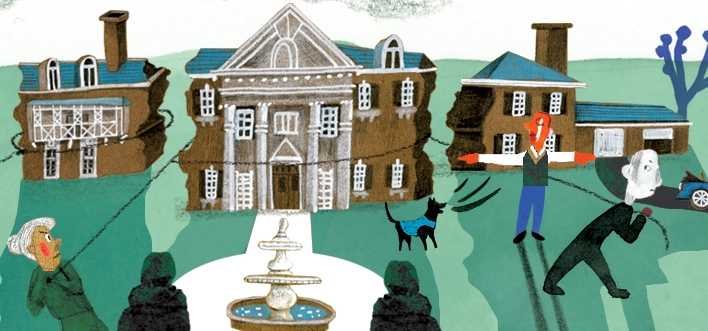
Are you helping them out or setting them up?
The next generation clocks wealth and status early. They know that for them money won’t be a hurdle but a spring board. They’ll dream big armed with fine education, connections and financial backing. On paper, they will be the favorites but are they hungry enough to run the race and win it? Are we encouraging them to dream big or just funding bigger and bigger expectations and entitlement?

Affluence is a privilege not a prison. And while many affluent people are worried about “asset management” and taking care of their money after they are gone, few pay enough attention to their progeny. We like to deal with what we think we can control.”
We build legal and financial structures to protect the family long after we’re gone. We train them for the business, hand them the fruits, and hope they keep the tree alive. But as they grow up an internal conflict often emerges. It is a defining moment in which they begin to assert themselves. Disguised in turbulence, this is actually a golden window for aligning family values with the hopes and aspirations of the next generation. This window of opportunity is often overlooked because it feels unstable—like emotional quicksand. Left unattended, feelings may snowball to resentment and nibble away at the trust and admiration young adults hold for their parents. Communication breaks down, the next generation is poorly prepared, mission is lost and it becomes impossible to set up effective governance. And what do you think happens to wealth transition?
Your children aren’t disaster movies waiting to happen. And the incentives you’ve given them for understanding your vision and pleasing you, won’t magically replace their own dreams and aspirations. Even those who express entitlement and lack of ambition are often wrestling with the weight of expectations—real or imagined.
Successful intergenerational transition isn’t about control; it’s about value. The more people feel valued in the family, the better things go. For transition to be real and lasting, it must be inclusive. Everyone needs a meaningful role.
Is there an end to the tyranny?
On the flip side, do we feel like our parents care more about money and control than about us? “When they go, they’ll probably toast the #!*&?! mess they’ve left us!” But before you curse their posthumous magnum opus, zoom out a little…
Your deep desire to throw it all to the wind and live life simply is commendable but let’s not be hasty, are you sure you want to trade your inheritance for anonymity, and a mortgage? The legacy left to you may not be perfect, fair or even connected, but it remains an important asset. The question is just what you do with it. Remember, good medicine tastes bitter. There’s nothing like experience to teach you what change you will make when you are on the horse.
Getting out from under your parents
Heirs often have to face a challenge others don’t – they are raised in the shadow of a dominant person whose success has generated an aura around the family and around the younger generation. And heirs may have completely different experiences with the parents and visions of the legacy…
Managing a bumpy family legacy is like walking a tight rope without a net while the lawyers are tugging the rope. What’s in it for you?”
Everyone wants to succeed on their own terms
To please you or to spite you, your heirs could well eclipse your success, discovering their own capacity for leadership. I emphasize “could” because mentorship and value are powerful factors in the next generation’s chances for success. Parents are the greatest role models. Everyone wants to succeed – but they want to do so on their own terms and with their own hand. So they don’t run it all to the ground, let’s consider their motivations.